

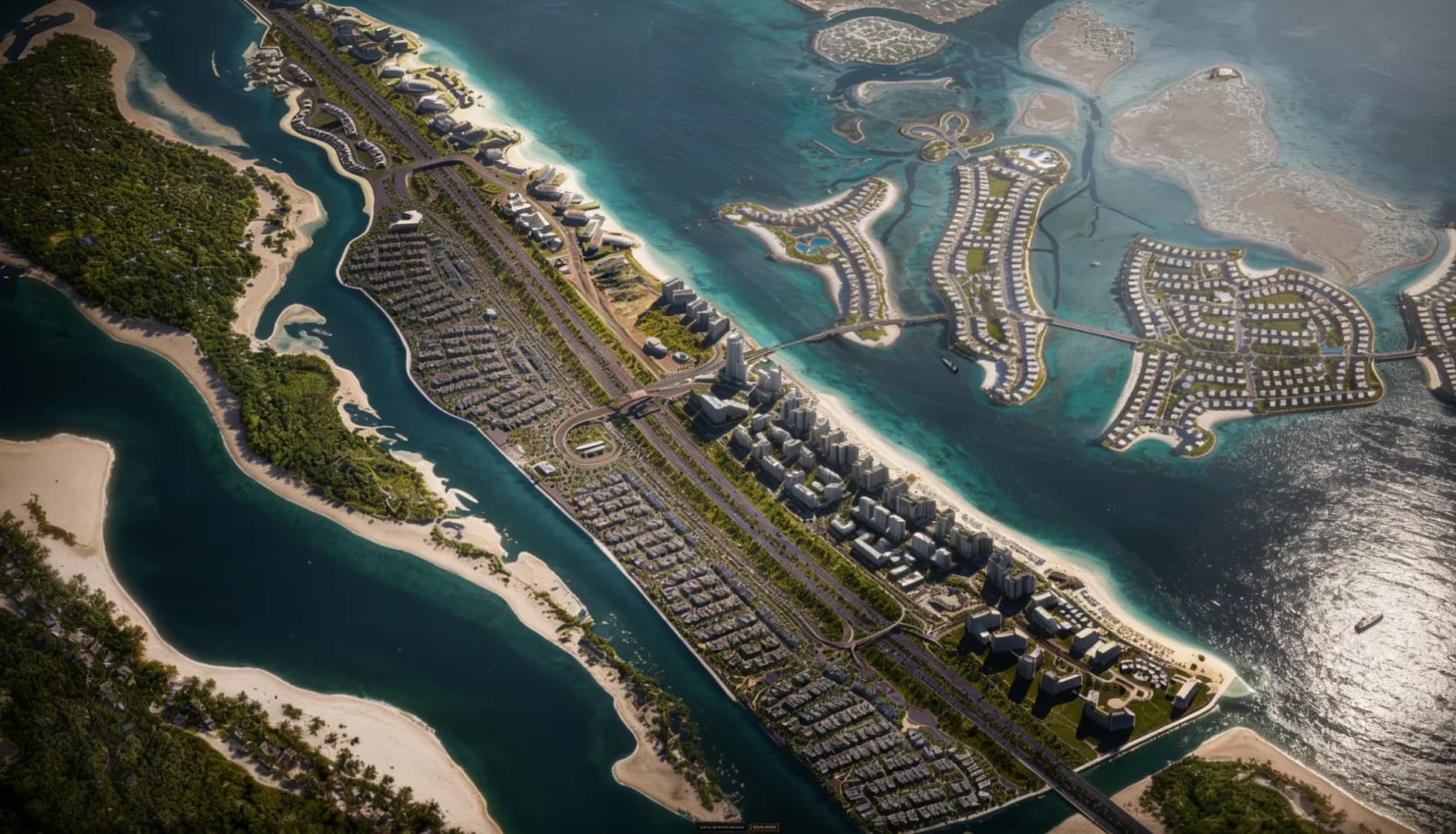
Fahid Island Investment Guide: Everything Investors Need to Know About Abu Dhabi's First Wellness Island
Luxury real estate is no longer defined solely by waterfront views, premium finishes or exclusive addresses.
Today, one of the strongest drivers of value is something far less tangible: wellness.
Across global cities, developers are rethinking how communities are planned. Walkable neighbourhoods, access to nature, cleaner environments, integrated healthcare, active mobility and thoughtfully designed public spaces are no longer considered premium extras. They are becoming essential to where people choose to live and where investors choose to allocate capital.
Abu Dhabi has embraced this evolution with Fahid Island Abu Dhabi, the emirate's first dedicated wellness island. Developed by Aldar and strategically positioned between Yas Island and Saadiyat Island, the AED 40 billion masterplan combines waterfront living with wellness-focused urban design, creating a destination built for both residents and long-term investors.
This Fahid Island Investment Guide explores what makes the island unique, why investors are paying attention, and how it compares with Abu Dhabi's established waterfront destinations.
Why Fahid Island Is Abu Dhabi's First Wellness Island
Around the world, cities are investing in neighbourhoods that encourage healthier lifestyles through better urban planning, improved connectivity and greater access to nature. Abu Dhabi is following the same direction.
Fahid Island Abu Dhabi is one of Aldar's most ambitious master-planned developments and introduces a new approach to luxury waterfront living.
Spanning approximately 2.7 million square metres, the island has been designed around the principles of wellness, sustainability and low-density living rather than conventional residential expansion.
Fahid Island reflects a broader vision of creating communities that attract long-term residents, global investors and families looking for more than a second home. Rather than focusing solely on residential density, the masterplan prioritises quality of life through integrated infrastructure, wellness facilities and environmental sustainability.
This approach aligns closely with Abu Dhabi's long-term vision of building globally competitive, lifestyle-led destinations that support economic diversification and attract international talent.
A Strategic Location Between Yas Island and Saadiyat Island
Location remains one of the strongest drivers of long-term property value.
Fahid Island occupies a unique position between two of Abu Dhabi's most successful master developments.
Residents will benefit from convenient access to:
- Yas Island's entertainment and leisure destinations
- Saadiyat Island's Cultural District
- Zayed International Airport
- Downtown Abu Dhabi
- Major business districts
- Leading healthcare facilities
- International schools
This positioning allows residents to enjoy the energy of Yas Island, the cultural appeal of Saadiyat Island and the tranquillity of a lower-density waterfront community.
For investors, proximity to established destinations often supports stronger long-term demand as surrounding infrastructure continues to mature.
Fahid Island Masterplan: Size, Amenities and Key Highlights
The scale of Fahid Island demonstrates the long-term ambition behind the project.
Masterplan Highlights
- AED 40 billion development value
- 2.7 million sqm masterplan
- 11 km coastline
- 4.6 km natural beachfront
- 6,000+ planned residences
- More than 30% dedicated to open natural space
- Waterfront promenade
- Wellness centres
- Cycling and walking trails
- Retail and hospitality offerings
- Mangrove frontage
- Community-focused public spaces
Rather than maximising density, the masterplan creates a balance between residential neighbourhoods, public amenities and natural landscapes.
What Makes Fahid Island Different?
Wellness-First Planning
Fahid Island is the first master development in Abu Dhabi to place wellness at the centre of its planning philosophy.
Walkable streets, cycling routes, open green spaces, waterfront access and wellness facilities encourage healthier lifestyles while creating an environment designed for long-term liveability rather than occasional leisure.
The development has also been designed in line with internationally recognised wellness principles, including ambitions aligned with Fitwel certification, reinforcing its focus on healthier built environments.
Sustainability
Environmental sustainability forms another key pillar of the masterplan.
Aldar has incorporated environmentally responsible planning with aspirations aligned to internationally recognised LEED Platinum standards, helping create a community that balances luxury with environmental performance.
Education
The planned King's College School Wimbledon campus brings one of the UK's most respected educational institutions to the island, strengthening its appeal for families considering long-term residency.
Healthcare
Residents will also benefit from close proximity to Cleveland Clinic Abu Dhabi, one of the region's leading healthcare providers.
Waterfront Scarcity
Perhaps the island's greatest advantage is something that cannot be replicated.
With 11 kilometres of coastline and 4.6 kilometres of natural beachfront, Fahid Island offers a level of waterfront access that remains inherently limited. As with many premium waterfront markets around the world, scarcity has historically been one of the strongest drivers of long-term value.
Why Investors Are Watching Fahid Island
Early-stage master developments often generate the greatest interest because they offer investors an opportunity to participate before the community reaches maturity.
That does not guarantee future appreciation, but it explains why developments like Fahid Island attract attention.
Several factors support its long-term investment appeal:
- Entry during the early stages of development
- Aldar's established track record of delivering destination-led communities
- Limited waterfront inventory
- Wellness-led positioning within Abu Dhabi's luxury market
- Integrated education and healthcare infrastructure
- Growing demand from both end users and international buyers
As infrastructure develops and residential communities become established, destination-led masterplans have historically experienced increasing demand driven by lifestyle rather than speculation alone.
Early-stage entry also carries early-stage risk, construction timelines, phased infrastructure delivery, and the fact that amenities described here (schools, retail, wellness centres) will roll out over several years rather than being available at handover. Off-plan investors should weigh the AED 3.5M+ entry point and multi-year hold against these delivery-stage factors, not treat appreciation as guaranteed.
Why Fahid Island Is Being Compared to Early Saadiyat Island
One comparison continues to surface in conversations around Fahid Island Abu Dhabi: Is this where Saadiyat Island was fifteen years ago?
The comparison isn't about architecture or pricing. It's about timing.
When Saadiyat Island was first announced, investors weren't buying into a fully developed luxury destination. They were investing in a long-term vision. The Louvre Abu Dhabi, the Guggenheim Abu Dhabi, world-class schools and premium residential communities were all part of a masterplan that would take years to come together.
Those who entered early weren't buying what Saadiyat had already become. They were buying what it had the potential to become.
Fahid Island shares several of those same structural characteristics.
Both are master-planned waterfront communities developed around a clear identity rather than standalone residential projects. Both prioritise premium infrastructure, international education, carefully planned public spaces and a lifestyle designed to attract long-term residents instead of short-term demand.
The difference lies in their stage of maturity.
Saadiyat Island Today | Fahid Island Today |
Established luxury destination | Early-stage master development |
Premium secondary market | Initial launch phase |
Culture-led identity | Wellness-led identity |
Mature infrastructure | Infrastructure under phased delivery |
Proven price appreciation | Long-term potential still unfolding |
What "proven price appreciation" actually looks like
According to recent market data, Saadiyat's average transaction prices reached approximately AED 43,100 per sqm as of mid-2026, a year-on-year increase of around 21%, after a reported 20–30% rise in 2025 alone. Longer-range projections put 5-year cumulative growth for the island in the 40–55% range. It's worth noting Saadiyat has historically traded as a capital-growth story rather than a yield story, rental yields on the island (roughly 4.5–6%) sit below the Abu Dhabi average, with investors accepting lower income in exchange for appreciation and prestige. This is the trajectory the "earlier Saadiyat" framing points toward for Fahid: an appreciation-led opportunity in its early innings, not an income play.
This is why many investors are paying attention to Fahid Island.
It offers exposure at an earlier point in the development cycle, before the community has fully matured. While future performance can never be guaranteed, history has shown that well-executed waterfront masterplans often create value gradually as infrastructure, amenities and residential demand develop together.
Rather than viewing Fahid Island as "the next Saadiyat," it may be more accurate to see it as Abu Dhabi's next landmark master-planned waterfront destination, with its own identity built around wellness, sustainability and quality of life.
Why Fahid Island Could Shape Abu Dhabi's Next Luxury Destination
Every defining waterfront destination starts with a vision before it becomes an established address. Fahid Island represents Abu Dhabi's next chapter in master-planned living, bringing together wellness, waterfront living and long-term urban planning in a way the emirate hasn't seen before.
As the community evolves, investors will be watching how its infrastructure, lifestyle offering and residential market develop.